smarter.sgWhatsApp us
Network foundation

A smart-home network designed as infrastructure, not an afterthought.

Wi-Fi, wired backhaul, controller placement and IoT network planning for Singapore homes where reliable integration depends on more than a faster router.

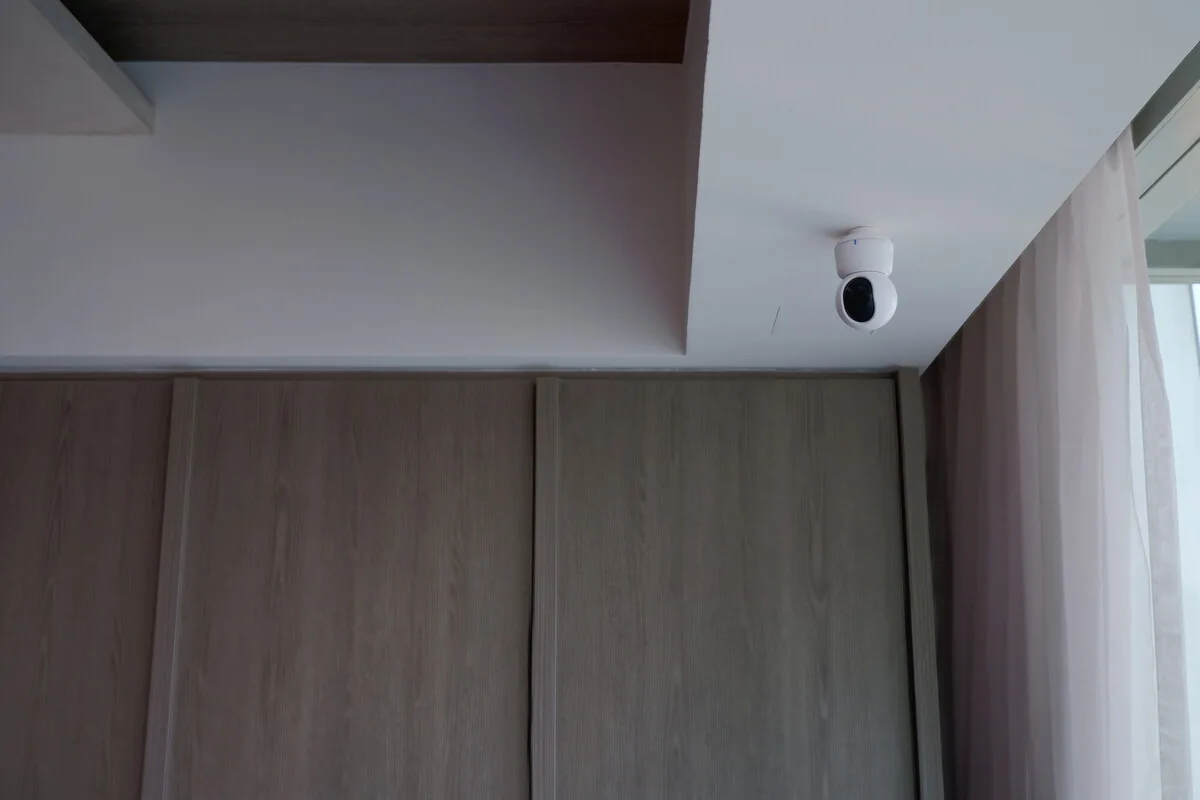
Smart home network and prewire points reviewed on a Singapore renovation siteSingapore · Project photography
The outcome

Coverage where devices actually live, serviceable equipment, and a topology the next technician can understand.

Included

A defined scope, not a vague setup fee.

The exact devices and site work vary. The responsibilities should not.

01

Floor-plan, equipment and coverage review

02

Router, switch and access-point topology

03

Wired backhaul and PoE requirements

04

Controller, hub and radio placement

05

IoT segmentation and discovery planning

06

Rack, cabinet, cooling and power notes

07

Commissioning records and recovery access

Good fit

This service makes sense when…

01

Good Wi-Fi bars do not prove a good smart-home network

A phone can show a strong signal while a low-powered device behind metal, glass or concrete has an unreliable path. Broadcast discovery may also fail across carelessly separated networks even when internet access works. Smart-home reliability depends on placement, topology and protocol design together.

We plan Wi-Fi, Ethernet, Zigbee and Thread as related but distinct networks. Their controllers and radios need power, backhaul, coverage and service access in different places.

02

Wire the fixed infrastructure when the walls are open

A renovation is the economical moment to bring data and suitable power to ceiling access points, cameras, intercoms, controller positions and the main equipment area. Wired backhaul keeps access points from spending radio capacity talking to one another and gives fixed equipment a predictable connection.

Spare conduit and accessible routes can be more valuable than buying the most expensive router available at handover.

  • Ceiling data points positioned for coverage rather than visual symmetry alone
  • PoE capacity checked against the actual camera and access-point load
  • Ventilation, labeled power and safe recovery access at the equipment location
  • A documented port map and ownership of administrator credentials
03

Segmentation should still allow the home to work

Separating IoT devices can reduce exposure and make policies clearer, but overly complicated VLANs can break discovery and leave nobody able to diagnose the home. The network design should state which systems need to communicate and how administration is performed.

Security controls earn their place when they are understandable, supported by the chosen equipment and included in the handover—not when they exist only as a diagram the household cannot maintain.

Process

A clear path through the work.

01

Map demand

Plans, construction, client devices, cameras, hubs and future equipment define the real coverage and port needs.

02

Design

We specify backhaul, access-point zones, equipment locations, power and the boundaries between networks.

03

Coordinate

The electrician, cabling team, ID and system vendors receive clear points and responsibilities.

04

Commission

Coverage, roaming, addressing, discovery and recovery access are checked and recorded after installation.

Designed from the property

Network work is quoted from the plans, construction, device count, existing cabling and commissioning scope. Hardware, cabling work and professional services remain visible lines.

How Smarter pricing works
Questions

Before you decide.

01Do you install Wi-Fi for smart homes in Singapore?

Yes. We design and coordinate the network where it forms part of the smart-home integration scope, including wired backhaul, access points, equipment locations and commissioning.

02How many access points does a landed home need?

There is no reliable floor-area formula. Construction, layout, mounting positions, outdoor areas and client demand determine the design, which should then be verified after installation.

03Should smart-home devices use a separate network?

Often, but segmentation must preserve required local discovery and administration. We choose the simplest policy that meets the security and operational need.

04Is Zigbee coverage the same as Wi-Fi coverage?

No. Zigbee is a separate low-power mesh with its own coordinator and routing devices. A strong Wi-Fi network does not automatically provide a strong Zigbee mesh.

Network & infrastructure

Bring us the current state and the outcome you want.

We will help decide what belongs in one system, what should stay independent, and what is not worth automating.

WhatsApp us